
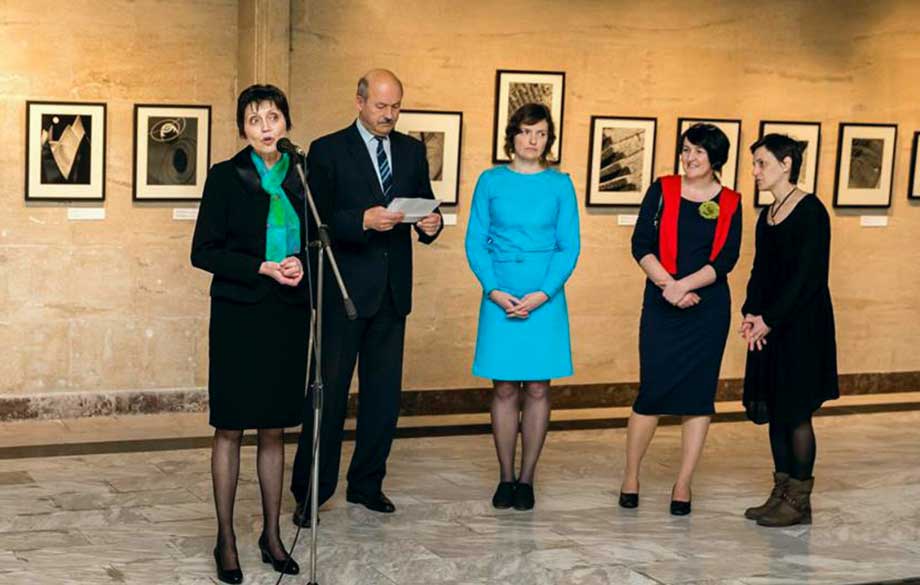
From 22nd of March till 21st of May works by the world-famous photographers František Drtikol, Jaromír Funke, Jaroslav Rössler, and Eugen Wiškovský,
selected from state and private collections, are presented to the Bulgarian public for the first time. This project is realised by the National Gallery – Square 500, the Museum of Art in Olomouc, the Czech Institute of Creative Photography, and the Czech Institute in Sofia.
Each of the four masters of Czech avant-garde photography has his individual style, but also something that connects them - the post-war period in former Czechoslovakia, eccentricity and their provocative nature. According to the initiator of the exhibition, Vladimír Birgus: "Independent Czechoslovakia, which emerged at the end of First World War on the ruins of Austro-Hungary, is ethnically a highly fragmented country where, together with Czechs and Slovaks, many Germans, Hungarians, Russians and people of other nationalities live, making up about a third of the thirteen and a half million population. It united the industrially developed Czech land with the agrarian Slovakia and the underdeveloped Subcarpathian Ruthenia. However, it was a prosperous democratic republic with a rich cultural life. A number of Czech avant-garde works were created even before the First World War - from all those, we may mention the pioneering abstract painting of František Kupka and the Cubist sculptures of Otto Gutfreund, the paintings of Josef Čapek and Emil Filla, and particular Cubist buildings by architects Josef Chochol and Josef Gočár. During the interwar period, Czechoslovakia was one of the main centres of Functionalism and Surrealism: the original Czech avant-garde movements, Poetism and Artificialism, emerged there. Prague, which until then had lived in the shadow of Vienna and Budapest, rapidly developed into a modern European metropolis. At a time when, in the neighbouring countries, Fascist, and supportive, regimes were gradually advancing to power, Czechoslovakia, until 1938, remained a guardian of democracy, while, after Hitler came to power, it became a refuge for many German and Austrian immigrants, among whom were the famous creators the Mann brothers, John Hartfield, Stefan Zweig and Oskar Kokoschka.
Czech photography, which at the beginning lagged behind the progressive trends in Czech painting, sculpture, and music, quickly reached an international level through the works of its best representatives. In the interwar period in Czechoslovakia, many photographic works were created that were not merely a simple imitation of foreign examples from France, Germany, the Soviet Union, or the United States, but expressively contributed to the development of artistic photography. Some of them only recently received their due recognition. The works of František Drtikol, Jaroslav Rössler, Jaromír Funke and Eugen Wiškovský were not isolated from Czech interwar photography. Other notable modern works were created by Jindřich Štyrský, František Vobecki, Josef Sudek, Miroslav Hák, Willem Reichmann, Václav Zikmund, and many others. During the German occupation of the Second World War and after the setting-in of Communist totalitarianism in 1948, avant-garde art was suppressed, while its artists were arrested and persecuted. Outside recognition of the pioneers of modern Czech photography came gradually. Although works by Drtikol and Funke had been displayed in famous galleries and museums even back in the 1970s, the first monograph of Jaroslav Rössler was published as late as 2001, and Eugen Wiškovský was still awaiting full international recognition."
Information provided by the Czech Institute in Sofia.
Pictured above: The opening of the exhibition was on March 22 in the presence of Slava Ivanova - Director of the National Gallery, Kateřina Churtajeva - director of the Czech Center in Sofia and the curator Shtepanka Bieleshova. Photographer: Ivo Chupetlovski
|
|
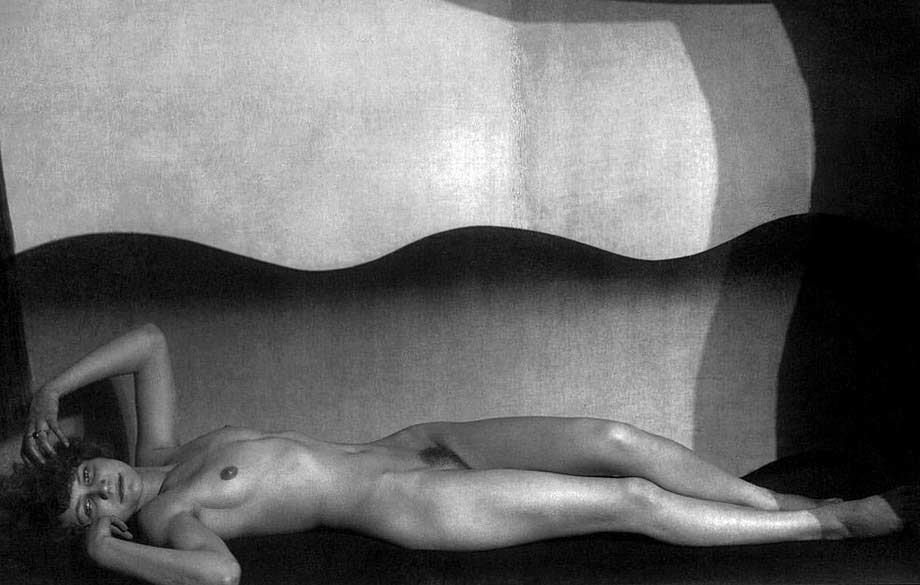
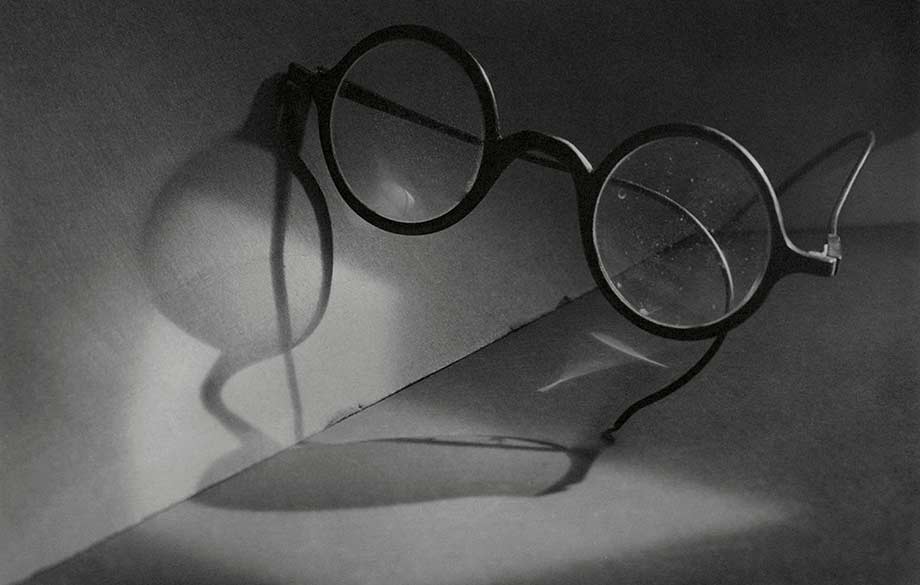
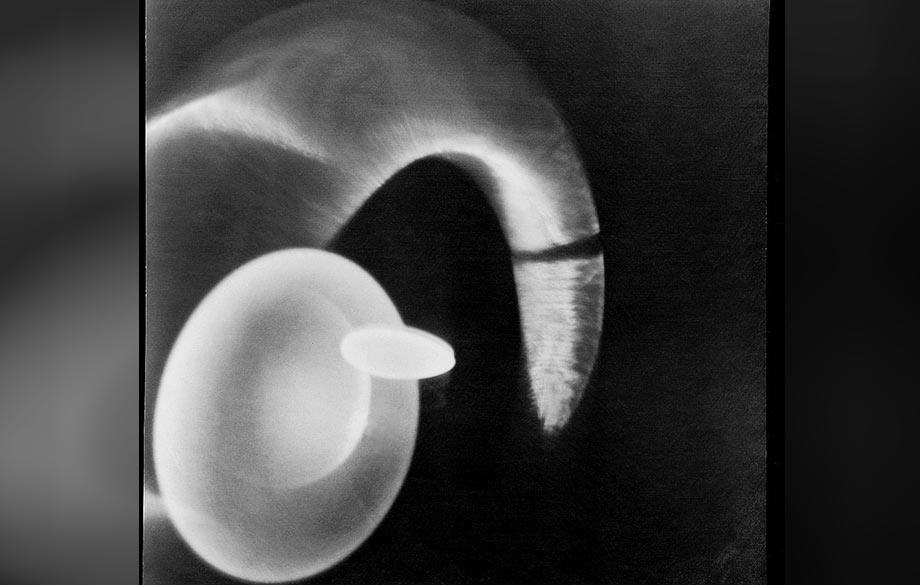
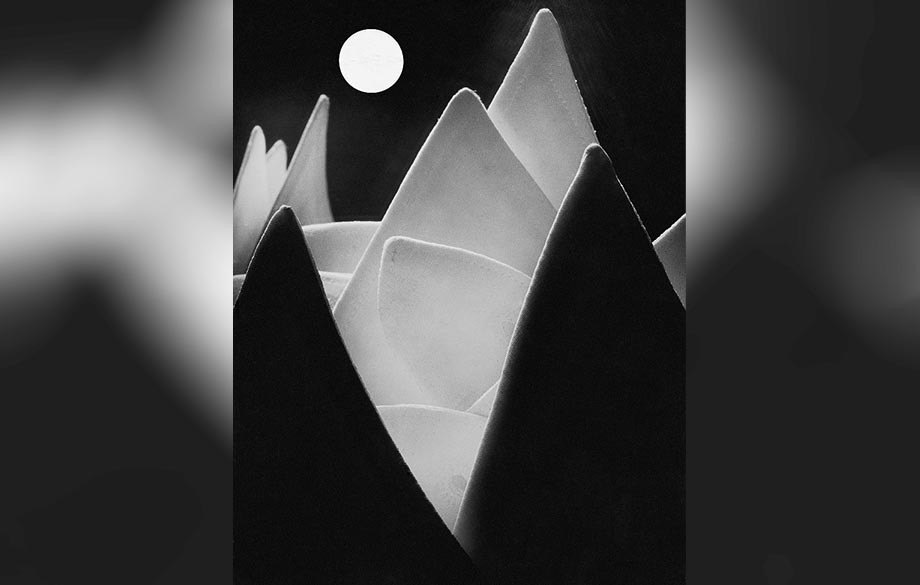
Pictured below works of: 1. František Drtikol; 2. Jaromír Funke; 3. Jaroslav Rössler; 4. Eugen Wiškovský


